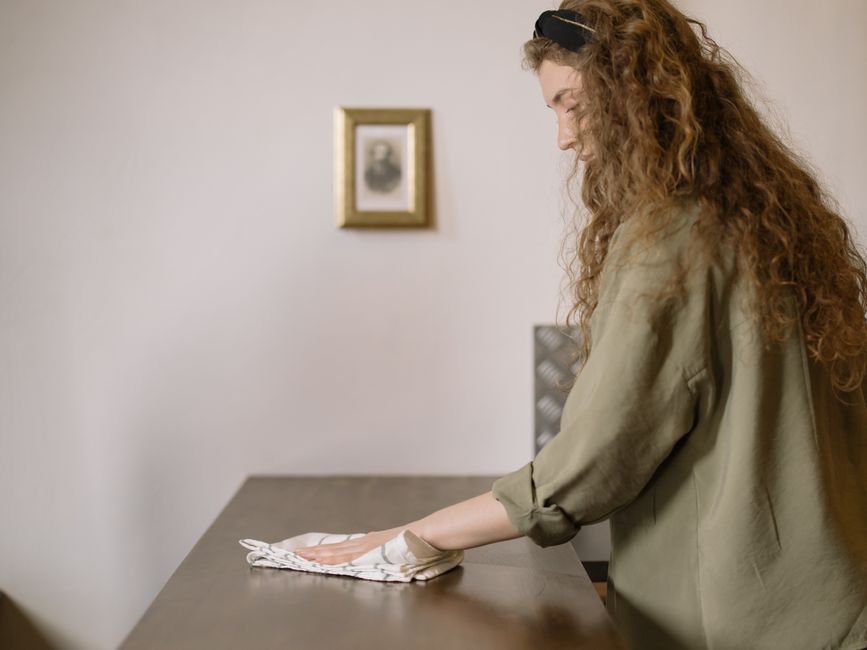
Lancaster Gate kitchen cleaning insider tips for period flats
If you live in a Lancaster Gate period flat, you already know the kitchen can be the trickiest room in the home. It is often compact, a bit awkwardly laid out, and full of surfaces that look elegant until grease, steam, and London grime settle in. Lancaster Gate kitchen cleaning insider tips for period flats are not about blasting everything with the strongest chemical you can find. They are about cleaning carefully, protecting original features, and getting a proper result without damaging old finishes. That balance matters, especially in flats where the kitchen may share a wall with original plaster, timber, sash windows, or older flooring.
This guide walks through what actually works in these homes, why period kitchens need a different approach, and how to clean smarter rather than harder. You will get practical steps, common mistakes, a simple checklist, and a few insider-style pointers that make the whole process less of a faff.
Why Lancaster Gate kitchen cleaning insider tips for period flats Matters
Period flats near Lancaster Gate often have kitchens that were not designed for modern cooking habits. Think about it: fewer extraction options, less countertop space, older tile grout, painted woodwork, and the sort of little corners that seem to collect crumbs from nowhere. The room might look charming, but charm does not stop grease from clinging to cabinet doors.
That is why cleaning these kitchens properly matters. The wrong method can dull a painted surface, strip wax from timber, leave watermarks on old finishes, or push moisture into joints that were never intended to get soaked. A careful clean does the opposite. It keeps the kitchen fresh, helps preserve original materials, and makes everyday living easier.
There is also the simple quality-of-life side. In a compact flat, a greasy hob or lingering odour spreads quickly. You notice it when you open the door after a long day, and honestly, nobody enjoys that first whiff of old cooking fat. A well-cleaned kitchen feels lighter, smells fresher, and just works better.
For landlords, tenants, homeowners, and anyone preparing a property for sale or checkout, it is even more important. A period flat can lose its appeal fast if the kitchen looks tired, sticky, or neglected. Clean well, and the room suddenly feels bigger and brighter. Funny how that works.
How Lancaster Gate kitchen cleaning insider tips for period flats Works
The basic idea is straightforward: start with the least aggressive method that can still do the job, work from top to bottom, and keep moisture controlled. In period flats, that last part is huge. Excess water is one of the easiest ways to create trouble around old joinery, window frames, and flooring.
A good process usually follows three stages. First, remove loose debris and dry dust. Second, break down grease and food film using a suitable cleaner. Third, detail the awkward bits: hinges, handles, edges, skirting, splashbacks, extractor grilles, and the gap behind appliances. That final stage is where the room stops looking "clean enough" and starts looking properly cared for.
In practice, you will often need to adapt the method to the surfaces in the flat. A sealed laminate cabinet front can tolerate a different treatment from hand-painted timber. Quarry tiles, engineered wood, old vinyl, and stone all ask for slightly different handling too. There is no single magic product. Just judgement, patience, and a cloth that is not too wet.
If a property has become more heavily soiled, a deep cleaning approach is often more sensible than a quick wipe-down. And if the job includes stubborn cooking residue around the oven or extractor area, pairing the kitchen clean with oven cleaning can save time and make the whole space feel genuinely reset.
Key Benefits and Practical Advantages
A careful kitchen clean in a period flat is not just about appearances. The benefits are practical, and some of them show up quite quickly.
- Better preservation: gentle methods help protect original woodwork, old fittings, and delicate finishes.
- Less lingering grease: a proper clean reduces sticky build-up around handles, switches, and cabinet edges.
- Improved odour control: old cooking smells often cling to soft residue on surfaces, not just the air.
- Healthier food prep: a clean hob, splashback, and worktop make everyday cooking feel more hygienic.
- Brighter-looking rooms: even modest kitchens look larger when grease, limescale, and dust are removed.
- Less wear over time: regular careful cleaning reduces the need for harsh restoration later.
Another overlooked benefit is consistency. In period flats, the kitchen can be a mix of old and new. Perhaps the cabinets are modern, but the window frame is original. Maybe the floor is recently replaced, but the tiling is not. A balanced cleaning routine helps everything look like it belongs together instead of each surface shouting for attention.
Expert summary: in Lancaster Gate period flats, the best kitchen cleaning is usually the one that protects finishes first and removes grease second. Not the other way round.
Who This Is For and When It Makes Sense
This topic matters for a few different people, and the reasons vary a bit.
Homeowners may want to maintain a beautiful old property without slowly wearing it down. A well-kept kitchen helps the rest of the flat feel cared for too.
Tenants often need a thorough clean before an inspection, renewal, or move-out. In that situation, the kitchen tends to get looked at closely because grease and residue are so visible.
Landlords and agents want kitchens to present well between occupancies. A tired galley kitchen can undermine the feel of the whole flat, even if the rest is lovely.
Busy professionals living in the area may simply want a sensible routine that does not eat the weekend. Let's face it, nobody wants to spend Saturday morning on cabinet fronts and extractor mesh.
This approach makes sense whenever the kitchen has old materials, limited ventilation, or a mix of delicate surfaces. It is also worth using when the flat has seen a lot of cooking in a short time, such as after a busy tenancy, renovation, or long stretch of takeaways and late-night pasta. Happens.
For recurring upkeep, many people combine these tasks with domestic cleaning or a one-off visit when the room needs more than just a quick tidy. If you are comparing options for a broader flat refresh, one-off cleaning can be a useful fit when the kitchen has drifted beyond maintenance level.
Step-by-Step Guidance
Here is a practical method that works well in most period flats. Adjust as needed for surface type, but keep the sequence.
- Clear the room first. Remove loose items from worktops, window ledges, and open shelving. You do not want to clean around clutter and call it progress.
- Ventilate the kitchen. Open a window if possible. Even a small amount of airflow helps with odours and dries surfaces faster.
- Dry dust before wet cleaning. Use a microfibre cloth to pick up crumbs, dust, and cobwebs from top surfaces, light fittings, and cabinet crowns.
- Tackle the grease zones. Focus on the hob, extractor hood, splashback, handles, and the area around the kettle or toaster. These are the usual sticky suspects.
- Work from top to bottom. Clean upper cabinets, shelves, and wall areas before moving down to counters and kickboards.
- Use minimal moisture. Dampen your cloth rather than soaking it. This is especially important on timber, old paint, and joins near the sink.
- Detail the edges. Wipe around hinges, seams, sockets, and trim. These little lines collect grime faster than people expect.
- Clean the sink thoroughly. Remove scale, soap residue, and food film. Dry it afterwards so water marks do not settle in.
- Finish the floor last. Vacuum or sweep, then mop with the right product for the floor type. If the flat has a more delicate or older floor, consider a specialist approach such as hard floor cleaning rather than a generic mop-and-go routine.
- Do a final inspection in daylight. If the kitchen has a rear window, you will often spot missed grease, smears, or dull patches much more clearly in natural light.
A small but useful trick: stand at the doorway and look at the room as a whole before declaring it done. You will often notice one dull cabinet panel or one sticky handle straight away. It is oddly revealing.
Expert Tips for Better Results
The best insider tips are usually the unglamorous ones. Not dramatic, just effective.
1) Test products on a hidden patch. Period flats can have old paint, waxed finishes, or aged sealants that react badly to strong cleaners. Always check first, especially on timber.
2) Use two cloths, not one. One for lifting dirt, one for drying and buffing. It sounds trivial, but it changes the finish. Smearing greasy residue around is not cleaning, really.
3) Change cloths sooner than you think. Once a cloth becomes saturated with grease, it starts pushing dirt back onto the surface. Fresh cloths make a visible difference.
4) Clean while warm, not hot. A slightly warm hob or backsplash can help loosen residue, but a hot surface is risky and unpleasant to handle.
5) Don't flood the grout. Old grout lines can absorb water and keep hold of odours or discolouration. Use targeted cleaning rather than soaking the whole wall.
6) Think in zones. Treat the hob area, sink area, food-prep area, and floor area separately. It keeps the work organised and stops you missing the fiddly bits.
7) Respect the original features. If a sash window frame, timber sill, or old trim is present, give it a gentler pass. A period flat should look cared for, not scrubbed into submission.
If the kitchen is part of a broader flat refresh after decorating or repairs, you may also want to look at after builders cleaning. That can be especially helpful when dust has settled into the tiniest ledges, and it settles everywhere, of course.
Common Mistakes to Avoid
Most problems in period flats come from being too aggressive or too impatient. A few common mistakes keep showing up.
- Using harsh chemicals on delicate finishes: strong degreasers can dull paint, strip sheen, or leave patchy marks.
- Over-wetting timber: too much water can seep into joints, swell wood, and cause long-term trouble.
- Ignoring the top edges of cabinets: the dust and grease up there are often thick enough to write your name in. Slight exaggeration, but only slightly.
- Skipping extractor parts: grease in filters and vents keeps circulating smells around the kitchen.
- Cleaning only what is visible: the sides of appliances, kickboards, and the gap behind bins matter just as much as the worktop.
- Rushing dry time: damp surfaces attract new dust and can leave streaks, especially on older glazing or polished finishes.
Another subtle mistake is treating all period flats as if they are fragile in exactly the same way. They are not. Some have been renovated sensitively. Others have a patchwork of old and new materials. The trick is to notice what you are actually dealing with rather than assuming. A bit of judgement goes a long way.
Tools, Resources and Recommendations
You do not need a van full of specialist gear to clean a period flat kitchen properly, but the right kit helps. In most cases, a practical starter set will do the job very well.
| Tool | Best use | Why it helps in period flats |
|---|---|---|
| Microfibre cloths | General wiping, drying, buffing | Lift dirt without scratching delicate finishes |
| Soft sponge | Gentle cleaning of cabinets and tiles | Less abrasive on painted or aged surfaces |
| Detail brush | Handles, hinges, corners, grilles | Reaches grime in the awkward little gaps |
| Mild degreaser | Hob, splashback, heavy cooking residue | Breaks down grease without overdoing it |
| Vacuum with brush head | Skirtings, edges, floor crumbs | Helps dry-clean loose debris before mopping |
| Bucket with clean water | Rinsing cloths and wiping residue | Keeps you from spreading dirt back around |
For homes with stone, timber, or other sensitive floors, using a specialist floor approach is often worth it. If you are dealing with the kitchen floor as part of a wider clean, carpet cleaning may be useful elsewhere in the property, while the kitchen itself may benefit more from a dedicated hard floor cleaning method.
And if the flat has upholstery in an adjoining dining nook or breakfast space, don't ignore it. Grease and kitchen odours drift. Sometimes a proper upholstery cleaning or sofa cleaning is what makes the whole room feel truly fresh, not just surface-clean.
Law, Compliance, Standards and Best Practice
For most households, kitchen cleaning is a practical maintenance task rather than a regulated process. Still, there are a few sensible best-practice points worth keeping in mind, especially in shared or rented buildings.
First, cleaning products should be used according to the manufacturer's guidance. That sounds obvious, but people often mix products or use them at the wrong strength. In a period flat, that can damage finishes and create avoidable fumes. Better safe than sorry.
Second, if you are cleaning in a managed building, be careful with water disposal, communal corridors, and storage of cleaning materials. Keeping shared areas tidy is simply good neighbour behaviour, and in London that matters. Everybody notices a mop bucket in a hallway.
Third, for rental properties, a clear and well-documented end-of-tenancy clean can help avoid disputes about the kitchen's condition. If you are preparing a flat for handover, end of tenancy cleaning is often the most relevant service context. For service standards, many people also look at whether a cleaning company operates with sensible insurance and safety practices. That is not overcautious; it is sensible.
If you want peace of mind around access, safety, and how a provider works, it is reasonable to review pages such as health and safety policy, insurance and safety, and terms and conditions. Those details are not glamorous, but they tell you a lot about how carefully a job is run.
Options, Methods and Comparison
Not every kitchen needs the same level of attention. Here is a simple comparison to help you choose the right approach.
| Method | Best for | Pros | Watch-outs |
|---|---|---|---|
| Light maintenance clean | Weekly or fortnightly upkeep | Quick, low-cost, easy to repeat | Won't remove heavy grease or build-up |
| Targeted kitchen refresh | Sticky cabinets, hob, splashback, sink area | Deals with the worst visible grime | Needs careful product selection |
| Full deep kitchen clean | Move-in, move-out, seasonal reset, overdue cleaning | More complete and satisfying result | Takes longer and needs more detail |
| Specialist service clean | Delicate period features or heavy residue | Better for sensitive surfaces and larger jobs | May cost more than DIY |
In many Lancaster Gate flats, the best solution is a mix rather than a single method. For example, you might do your own weekly maintenance, then book a one-off reset when the kitchen has reached that slightly grim stage nobody likes admitting to. Be honest, we've all been there.
Case Study or Real-World Example
Here is a realistic example from a typical period flat scenario. A one-bedroom flat near Lancaster Gate had a narrow kitchen with painted cabinet fronts, an older tiled splashback, and a timber window frame that looked lovely from a distance but showed every bit of grease up close.
The owner had been cooking more at home over winter, and by late evening the hob area had become sticky, the extractor filters were dull, and the cabinet handles had that unpleasant tacky feel you only notice when you reach for a mug. The floor was not filthy, just tired-looking. Not dramatic. Just a bit off.
The solution was simple but careful: dry dusting first, then a mild degreaser on the hob and splashback, cloth changes at each stage, and a gentler wipe on the painted timber. The window frame was cleaned with barely damp cloths, then dried straight away. The final pass was done in daylight, which showed a small smear on one cabinet edge that had been missed earlier. One tiny detail, but it changed the finish.
The result was not a shiny showroom kitchen. It was something better: a kitchen that looked clean, believable, and well kept. That is usually the goal in a period flat. Not sterile. Just properly looked after.
Practical Checklist
Use this before you call the job done.
- Worktops cleared and wiped
- Hob free of grease and food residue
- Extractor hood and filters cleaned
- Splashback degreased and dried
- Cabinet fronts wiped, especially handles and edges
- Sink descaled and polished dry
- Taps cleaned around the base
- Window ledges and frames dusted or wiped gently
- Skirtings and kickboards checked
- Floor vacuumed or swept before mopping
- No damp patches left on timber or paint
- Bins and hidden corners not forgotten
If you can tick all of that off, you are in good shape. If not, the odds are the room will still look "almost clean" rather than properly clean. And that last ten per cent is the bit people notice, weirdly enough.
Conclusion
Lancaster Gate kitchen cleaning insider tips for period flats come down to one thing: care. Care with moisture, care with materials, care with timing, and care with the final details that make a room feel genuinely fresh. Period flats reward a thoughtful approach. Rush them, and they can look patchy. Treat them gently and consistently, and they hold their character while still feeling modern enough to live in comfortably.
Whether you are maintaining your own home, preparing for a tenancy change, or just tired of that stubborn greasy film around the hob, the same principle applies. Start gentle, stay organised, and respect the surfaces in front of you. It makes the job easier in the long run. That's the quiet win.
If you want a more complete reset, it can be worth comparing professional options, especially for delicate kitchens, ovens, and floors that need a bit more than elbow grease.
Get a free quote today and see how much you can save.
Frequently Asked Questions
How often should a period flat kitchen in Lancaster Gate be deep cleaned?
That depends on how much cooking you do, but many people find a deeper clean every few months keeps things under control. If the kitchen is small or heavily used, you may need it more often.
What is the safest cleaner for old painted kitchen cabinets?
A mild, non-abrasive cleaner is usually safest. Always test a small hidden area first, and avoid soaking the surface. Old paint can be surprisingly sensitive.
Can I use steam cleaning in a period kitchen?
Sometimes, but only with caution. Steam can help on certain sealed surfaces, yet it can be risky around old timber, loose joints, and older finishes. When in doubt, keep moisture controlled.
Why do kitchen smells linger longer in period flats?
Older kitchens may have less ventilation, more porous materials, and more places for residue to settle. Grease on cabinets, fabric, or window dressings can hold onto odours for ages.
What should I clean first in a greasy Lancaster Gate kitchen?
Start with dry dust and loose debris, then move to the greasiest zones like the hob, extractor, and splashback. That sequence stops you from spreading grime around.
Is it better to hire a cleaner or do it myself?
If the kitchen is lightly soiled, DIY is often fine. If it includes delicate period finishes, heavy grease, or a move-out deadline, professional help can be the less stressful option.
How do I protect timber in an old flat while cleaning the kitchen?
Use barely damp cloths, wipe in the direction of the grain where possible, and dry the surface afterwards. Avoid harsh scrubbing and do not let water sit on the wood.
What areas are most commonly missed during kitchen cleaning?
Cabinet tops, handles, hinges, kickboards, extractor filters, skirting boards, and the gap behind appliances. Those are the usual sneaky ones.
Does a kitchen clean help before an end-of-tenancy inspection?
Yes, absolutely. The kitchen is one of the first places people inspect closely, and grease or residue is easy to spot. A full clean can make a big difference to how the flat is judged.
Should I clean the oven at the same time as the kitchen?
If the oven is nearby or gives off lingering odours, yes. It is often more efficient to do both together, especially if you are already doing a thorough reset of the room.
How can I keep the kitchen cleaner for longer between deep cleans?
Wipe splashes early, dry the sink after use, clean handles regularly, and deal with small spills before they harden. Little and often really does work better than waiting for the mess to become a project.
What should I look for if I book a professional cleaner?
Look for clear communication, sensible cleaning methods, and straightforward service information. Pages such as about us, pricing and quotes, and contact us can help you judge whether the provider feels transparent and trustworthy.