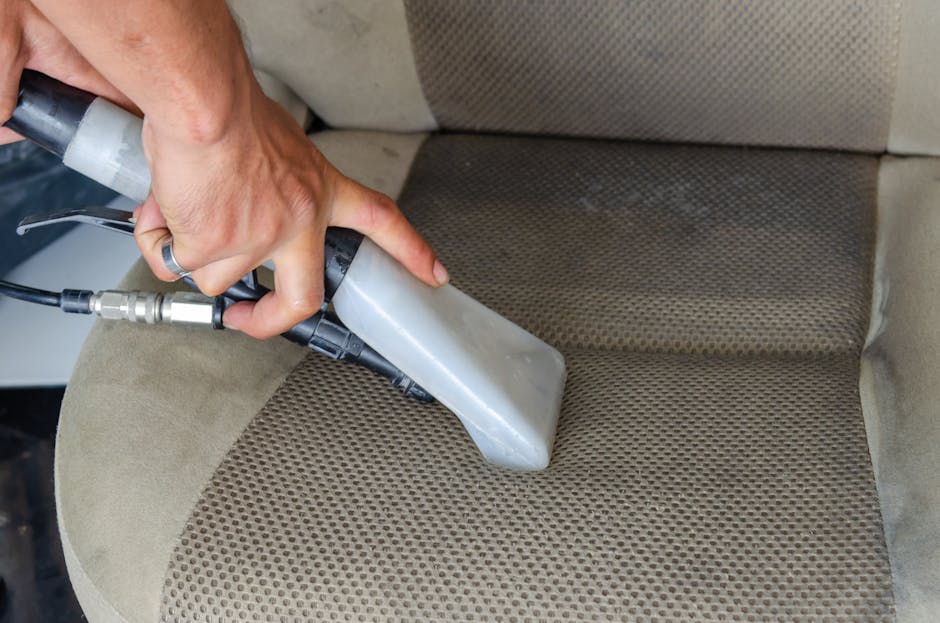
Westbourne Grove upholstery cleaning for Bayswater shops
Shopfronts in Bayswater live or die by first impressions, and that goes far beyond the window display. If the chairs by the till look tired, the waiting bench has a faint coffee mark, or the banquette seats carry the day-to-day story of footfall, customers notice. Westbourne Grove upholstery cleaning for Bayswater shops is really about keeping those everyday surfaces clean, presentable, and comfortable without disrupting trade. It is practical work, but it also protects the feel of the business. And let's be honest, a shop that smells fresh and looks cared for just feels easier to walk into.
This guide explains how commercial upholstery cleaning works, what Baywater shop owners should expect, which fabrics need extra care, and how to avoid the common mistakes that turn a quick tidy into a costly problem. If you want broader support for your premises too, it may help to look at related services such as office cleaning, one-off cleaning, or even deep cleaning when the space needs a proper reset rather than a surface wipe.
For many shops on or near Westbourne Grove, upholstery care sits in that awkward middle ground: not quite a luxury, not quite optional, but absolutely important when the space is used every day. The good news? With the right method and schedule, you can keep fabric furniture looking decent for much longer than most people expect. Truth be told, the difference is often bigger than the owner realises.
Table of Contents
- Why Westbourne Grove upholstery cleaning for Bayswater shops matters
- How Westbourne Grove upholstery cleaning for Bayswater shops works
- Key benefits and practical advantages
- Who this is for and when it makes sense
- Step-by-step guidance
- Expert tips for better results
- Common mistakes to avoid
- Tools, resources and recommendations
- Law, compliance, standards, or best practice
- Options, methods, or comparison table
- Case study or real-world example
- Practical checklist
- Conclusion
- Frequently asked questions
Why Westbourne Grove upholstery cleaning for Bayswater shops Matters
In a shop, upholstery does more work than people give it credit for. Customers sit on it while waiting. Staff use it during breaks. Deliveries, bags, coats, rain, street dust, and the occasional spill all end up finding their way onto fabric surfaces. Over time, that builds up into dullness, staining, odour, and a general "we've been busy and it shows" look.
That matters in Bayswater because many local shops depend on atmosphere as much as product. A boutique, salon, cafe corner, showroom, or reception-style retail space can all feel more polished when seating and soft furnishings are clean. If the upholstery looks neglected, the room feels older than it is. If it looks cared for, everything else seems better too.
There is also a practical side. Dirt acts like fine grit. Once it gets into fibres, it wears them down bit by bit. Spills that sit too long can set in permanently. A regular cleaning routine slows that damage and helps your furniture last longer. That is not glamorous, but it is good business.
Expert summary: clean upholstery in a shop is not just about appearance. It supports comfort, hygiene, customer confidence, and the lifespan of the furniture. That is why a scheduled approach usually works better than waiting for visible stains to appear.
For businesses that already keep a tidy floor plan with hard floor cleaning and window cleaning, upholstery cleaning is the final piece that brings the whole space together. It is the difference between "clean enough" and genuinely well cared for.
How Westbourne Grove upholstery cleaning for Bayswater shops Works
Commercial upholstery cleaning is usually a step-by-step process, but the exact method depends on the fabric, the shape of the furniture, and how much soiling has built up. Good cleaners do not treat every item the same. A velvet banquette, a polyester waiting chair, and a leather stool all need different handling. If someone says they use the same process for everything, that is a bit of a red flag, to be fair.
The process normally starts with an inspection. The cleaner identifies the fabric type, checks for marks, looks at seams and joins, and tests a small hidden area if needed. That helps avoid colour loss or texture damage. Then dry soil is removed with vacuuming or brushing, because you do not want grit becoming mud once moisture is introduced.
After that, the chosen cleaning method is applied. For many shop furnishings, this may involve hot water extraction, low-moisture cleaning, or specialist spot treatment. Some items benefit from careful shampooing; others need only a gentle fibre-safe approach. Once cleaned, the fabric is rinsed or neutralised where appropriate, and drying is managed so the furniture can return to use as quickly as possible.
Ventilation matters. So does timing. A shop can often be cleaned early in the morning, after closing, or in a quieter slot. That way the work happens without getting in customers' way. A good result should not feel disruptive. It should feel invisible, almost.
What a decent cleaning visit usually includes
- Assessment of fabric type and visible wear
- Pre-vacuuming or dry soil removal
- Spot treatment for local marks
- Fabric-safe deep cleaning method
- Careful attention to seams, piping, and high-contact areas
- Drying advice so the item is not put back into use too soon
If your premises also have soft furnishings in staff areas or mixed-use spaces, pairing upholstery cleaning with sofa cleaning or rug cleaning can make the whole shop feel fresher in one pass. That can be especially useful before a seasonal promotion or after a busy retail period.
Key Benefits and Practical Advantages
There are obvious benefits, and then there are the quieter ones. The obvious one is appearance. Clean upholstery makes a shop look more professional. Customers sit down without hesitation. Staff are less likely to avoid a tired-looking chair in the corner. The room feels lighter, and sometimes it even smells better, which sounds minor until you've stood beside a fabric seat that's absorbed half a winter of wet coats.
Another benefit is customer trust. People make small judgements very fast. A clean seating area suggests that the business pays attention to detail. That can matter in retail, beauty, hospitality, health-adjacent services, and anywhere customers are close to fabric surfaces for more than a minute or two.
There is also the matter of maintenance cost. If upholstery is cleaned before marks set in, the fabric is less likely to deteriorate early. That can help delay reupholstery or replacement, which is usually the bigger cost by a mile. No one loves replacing seating, especially if it is custom-built.
Then there is the practical side for teams. Clean seating areas are easier to maintain day to day. Staff spend less time apologising for stains or covering marks with a throw, which never quite looks as good as people hope it will.
| Benefit | Why it matters in a shop | What you notice in practice |
|---|---|---|
| Better presentation | Supports the shop's brand and atmosphere | The space feels cared for, not tired |
| Longer fabric life | Reduces grit and residue build-up | Less fading, flattening, and wear |
| Improved comfort | Makes waiting areas more pleasant | Customers stay relaxed and seated |
| Reduced odours | Helps with food, smoke, or general footfall smells | The room smells fresher, especially after closing |
| Smarter maintenance | Prevents small stains becoming permanent | Less panic before events or busy weekends |
If your business already uses a local cleaning company for regular upkeep, upholstery care can slot into that routine without making life complicated. The trick is consistency, not drama.
Who This Is For and When It Makes Sense
This service is useful for any Bayswater shop with fabric seating, but it tends to be most valuable for spaces with regular footfall and customer waiting areas. Think salons, small boutiques, independent cafes, reception-style retail spaces, galleries, opticians, and showrooms. If customers sit down while they wait, browse, or chat, the upholstery is part of the experience whether you mean it to be or not.
It also makes sense after specific events. For example, after a busy sale weekend, a refit, a wet spell, or a period when staff have noticed more visible staining. Sometimes the trigger is simple: the furniture no longer feels clean enough. You know the feeling when a chair looks okay from a distance but not up close? That.
Some shops only need a one-off clean before a launch or inspection. Others need a repeating schedule because the seating gets heavy daily use. In a busier place, monthly or quarterly attention can be more sensible than waiting for damage to build up. The right rhythm depends on use, fabric type, and how visible the furniture is to customers.
There are times when upholstery cleaning should be paired with other work. If the shop has just had building work, dust can settle into soft surfaces very quickly. In that case, a broader after builders cleaning approach often makes more sense than tackling one item at a time.
Step-by-Step Guidance
If you are planning upholstery cleaning for a shop in the Westbourne Grove and Bayswater area, a simple process keeps things moving and helps you avoid surprises.
- Identify the items that need attention. Make a short list. Chairs, benches, stools, waiting seats, corner sofas, and any upholstered display seating should all be counted.
- Check the fabric and condition. If you know the material, note it. If not, take photos and look for care labels or manufacturer notes. This saves time later.
- Decide on timing. Quiet opening hours, closed days, or early mornings are usually easiest. The goal is to clean without interrupting trading.
- Ask for a quote based on the actual items. A good quote reflects the number of pieces, the fabric type, the level of soiling, and access. If you need pricing context, the page on pricing and quotes is a sensible place to start.
- Prepare the area. Move small objects, point out fragile pieces, and make sure there is a clear route to the items. A few minutes of prep can save a lot of awkwardness.
- Carry out pre-clean inspection and testing. This is where a careful cleaner checks for colour stability and fabric sensitivity.
- Clean the upholstery with the right method. The technique should suit the furniture, not the other way round.
- Allow for drying time. Do not rush customers back onto damp seating. It sounds obvious, but it happens.
- Review the result and note any remaining issues. A sensible provider will explain what was removed, what remains, and whether a follow-up spot treatment might help.
The main thing is not to treat every piece as if it can take the same treatment. Fabric has personality. Sometimes a slightly awkward one.
Expert Tips for Better Results
Here is the bit that often separates a decent outcome from a really good one.
Act early on stains. Fresh spills are much easier to treat than old marks. Blotting is better than rubbing, because rubbing usually drives the stain deeper. That one small habit saves a lot of trouble.
Vacuum regularly between professional cleans. Even a quick weekly pass over seat bases, seams, and corners helps stop grit from embedding into the fibres. It is boring, yes, but effective.
Protect high-wear seating. If a particular bench near the door gets the most traffic, ask about protective advice or more frequent spot treatment. The front row always gets the worst of it.
Keep ventilation in mind. Windows, extraction, or even a sensible heating setup can help fabrics dry faster. That matters in the damp months when London weather seems determined to be inconvenient.
Use cleaning alongside other upkeep. Upholstery looks its best when the surrounding area is tidy too. Pair it with office cleaners for back-of-house spaces or cleaners for broader routines if the shop is part of a larger premises.
Book before the furniture looks hopeless. Once the fabric starts to look flat, grey, or patchy, cleaning may still help, but the job gets harder. Honestly, a bit of prevention is cheaper than rescue work.
Common Mistakes to Avoid
A lot of upholstery damage happens because someone means well and uses the wrong method. It happens more often than people think.
Using too much water is a classic mistake. Over-wetting can leave rings, slow drying, and in worse cases encourage odours or backing damage. More water is not automatically better. Usually, it is just wetter.
Scrubbing stains aggressively can rough up the fibres or spread the mark. Gentle treatment is often the safer route, even if it feels less satisfying in the moment.
Ignoring the fabric type is another issue. Velvet, wool blends, synthetics, and leather-like finishes all behave differently. The wrong product can ruin the texture or shine of the material.
Cleaning only the visible stain can leave a tide mark or colour difference. Sometimes a larger, blended clean is needed so the area dries evenly.
Putting furniture back into service too soon can undo the work. A damp seat in a busy shop is asking for trouble, because the first customer with a dark coat, bag, or coffee cup will not be gentle.
Choosing a provider without checking insurance or safety practice is also worth avoiding. For commercial premises, reassurance matters. It is sensible to ask how they handle risk, access, and fragile furnishings, and whether they have appropriate cover. If you want to understand the company's approach, insurance and safety is a useful page to review.
Tools, Resources and Recommendations
For shop upholstery cleaning, the right tools are a big part of the result. The best cleaning setup is not always the most dramatic-looking one, either. Often, it is the one that gives consistent results without leaving a mess behind.
Useful tools and materials usually include:
- Vacuum cleaner with upholstery attachments
- Soft brushes for loose soil and fibres
- Spot treatment products suited to the fabric type
- Microfibre cloths for controlled application
- Extraction or low-moisture cleaning equipment where appropriate
- Protective pads or covers for drying and post-clean use
From a business planning point of view, it also helps to keep a small cleaning record. Nothing fancy. Just a note of what was cleaned, when, and whether any stains needed extra treatment. That makes it easier to plan the next visit and spot recurring issues, like a particular chair near the entrance or a staff room bench that always picks up drink marks.
If you are comparing wider maintenance options, it can help to look at the full picture. A shop that has clean upholstery, clean glass, and tidy floors sends a much stronger message than one that only tackles the obvious bits. Services such as facade cleaning and window cleaning can support that first impression from the outside in.
For some businesses, the job is also easier when a provider offers flexible scheduling and clear communication. That sounds basic, but if you have to keep moving stock around, basic becomes important very quickly.
Law, Compliance, Standards, or Best Practice
For a Bayswater shop, upholstery cleaning is not usually a heavily regulated specialist activity in itself, but best practice still matters. Commercial premises have duties around cleanliness, safety, and managing risks to staff and visitors. In practical terms, that means choosing methods that do not create slip hazards, lingering dampness, or unsafe access around furniture and equipment.
It is also wise to think about product handling and ventilation. Cleaning agents should be used according to the manufacturer's guidance, especially in customer-facing areas. If a building has vulnerable users, food handling nearby, or sensitive finishes, extra caution is sensible. You do not need to be overcautious, just sensible. There is a difference.
Insurance is worth checking too. Commercial cleaning work can involve moving furniture, working around stock, and cleaning delicate fabrics. That is exactly why businesses often want reassurance on cover, process, and accountability. If a provider has clear policies, that helps build trust before anyone picks up a vacuum.
Good practice also includes:
- Testing an inconspicuous area first
- Following fabric care guidance where available
- Avoiding unsuitable products on delicate textiles
- Keeping walkways clear during work
- Allowing sufficient drying time before reuse
On the customer service side, transparent terms and reliable communication matter as much as the cleaning itself. Pages like terms and conditions, privacy policy, and complaints procedure are often where a business shows how seriously it takes accountability, which is reassuring for shop owners.
Options, Methods, or Comparison Table
Different upholstery cleaning methods suit different shop environments. A small boutique with light-use seating will not need the same approach as a busy cafe-style shop with constant customers. Choosing the right method saves money and avoids unnecessary wear.
| Method | Best for | Pros | Watch-outs |
|---|---|---|---|
| Hot water extraction | Deep cleaning on many durable fabrics | Good soil removal, strong refresh | Needs drying time and the right fabric |
| Low-moisture cleaning | Busy shops that need quicker turnaround | Faster drying, less disruption | May need targeted stain work first |
| Spot treatment only | Small isolated marks or maintenance cleans | Quick and focused | Not enough for overall dullness |
| Dry cleaning approach | Delicate fabrics or moisture-sensitive items | Gentler on certain materials | May not tackle heavy build-up as well |
To be fair, most shops do not need to understand the chemistry. They just need to know what they are paying for and whether the method fits the furniture. That is a fair question to ask, by the way.
For broader premises care, a business might combine upholstery work with carpet cleaning in customer areas or deep cleaning when the whole site needs attention. That tends to deliver a more complete refresh than piecemeal cleaning.
Case Study or Real-World Example
Imagine a small Bayswater boutique with two upholstered benches near the fitting rooms and a couple of fabric stools at the consultation area. Nothing dramatic. The furniture is not ruined, but it has picked up makeup transfer, jacket dust, and a few small marks from bags and coffee cups. Over time, the light fabric starts looking a bit flat and grey at the edges.
The owner first notices it on a weekday morning, when the shop is quiet and the sunlight hits the seating just right. It is one of those moments that is oddly unforgiving. The benches are still usable, of course, but they no longer reflect the quality of the rest of the shop.
A targeted upholstery clean begins with checking the fabric, testing a discreet area, and dealing with the most visible marks. The cleaner then works through the full seating, paying extra attention to the sides and seams where dust collects. The furniture is left to dry with good airflow, and the shop keeps the seats out of use until they are fully ready.
The result is not a dramatic reinvention. It is subtler than that. The room feels brighter, the furniture looks closer to its original colour, and the owner does not have to hide the seating with blankets or signage. That is usually how good commercial cleaning works: quiet, practical, and noticeably better the next day.
In a mixed-use premises, the same approach can be extended into the staff room or reception area with domestic cleaning-style attention to detail where appropriate, though the scheduling and materials still need to suit the commercial setting. Different job, same principle: respect the material and don't rush it.
Practical Checklist
Use this checklist before booking or scheduling upholstery cleaning for a Bayswater shop.
- Identify all upholstered seating, benches, and stools
- Note the fabric type if you know it
- Photograph any stains or worn areas
- Decide whether the clean needs to be outside trading hours
- Check how long the furniture will need to dry
- Confirm whether spot treatment is needed for specific marks
- Ask about insurance, safety, and fabric suitability
- Make sure access routes are clear
- Plan for follow-up maintenance after the clean
- Review whether other areas need cleaning at the same time
A small extra note: if the shop has been through building work, stock changes, or a refit, a broader clean can prevent dust from settling straight back into the upholstery. That tends to happen at the worst possible moment, naturally.
Conclusion
Westbourne Grove upholstery cleaning for Bayswater shops is one of those jobs that quietly does a lot of heavy lifting. It improves presentation, supports customer comfort, protects the furniture, and helps your space feel properly looked after. For a local business, that matters. People may not consciously praise a clean chair, but they feel the difference all the same.
The best results come from choosing the right method, cleaning before damage sets in, and keeping the rest of the premises in step with the upholstery. A little planning goes a long way. And if you can keep a busy shop looking calm and fresh on a wet London afternoon, well, that is no small thing.
Get a free quote today and see how much you can save.
If you are also reviewing your wider maintenance routine, it can be useful to look at the company's about us page and related service pages such as cleaning company to understand how everything fits together. A reliable plan usually starts with clarity, not guesswork.
Frequently Asked Questions
How often should shop upholstery be cleaned?
It depends on footfall, fabric type, and how visible the seating is to customers. Busy shops often benefit from planned cleaning every few months, while lighter-use spaces may need it less often. If seating gets daily use, waiting until it looks dirty is usually too late.
Can upholstery cleaning be done without closing the shop?
Sometimes, yes. Many shops can be cleaned early, late, or during quieter trading periods. The key issue is drying time and keeping customers away from damp furniture until it is ready.
What types of furniture can be cleaned?
Most fabric seating, benches, stools, and waiting-area furniture can usually be treated, but the method must suit the material. Leather, velvet, synthetic blends, and delicate textiles all need different handling.
Will upholstery cleaning remove old stains?
It may help a lot, but not every stain can be fully removed. Older marks, dye transfer, and previous incorrect cleaning can limit the result. A good cleaner should be honest about that before starting.
Is it safe for delicate fabrics?
It can be, if the correct method is chosen. Testing a hidden area first and avoiding excess moisture are both important. Delicate fabric should never be treated as if it were a hard-wearing office chair.
How long does upholstery take to dry?
Drying varies depending on the fabric, room ventilation, and cleaning method. Low-moisture methods generally dry faster, while deeper cleaning takes longer. Good airflow helps a lot.
Do shop owners need to prepare anything before the clean?
Yes, a little preparation helps. Move small items, secure fragile stock, and make sure the cleaner can reach the furniture easily. It also helps to point out any problem areas before work begins.
Can upholstery cleaning help with odours?
Yes, often it can. Fabric absorbs everyday smells from customers, drinks, damp clothing, and general use. Cleaning can freshen the room, although severe odours may need extra treatment.
Is upholstery cleaning better than replacing the furniture?
Usually, yes, if the frame and fabric are still in good condition. Cleaning is far less expensive than replacement and can extend the life of well-made seating. If the fabric is badly damaged, though, replacement may be the smarter call.
What should I ask before booking a cleaner?
Ask what methods they use, whether they test fabrics first, how long drying may take, and whether they have appropriate insurance and safety procedures. Clear answers are a good sign. Vague ones are not.
Can upholstery cleaning be combined with other services?
Absolutely. Many businesses combine it with one-off cleaning, office cleaning, or window cleaning so the whole shop feels refreshed at once. That is often the neatest way to do it.
Why is Westbourne Grove upholstery cleaning for Bayswater shops especially useful?
Because this is a high-visibility commercial area where presentation matters. Customers make quick judgements, and furniture is part of the brand whether you want it to be or not. Clean upholstery helps a shop feel sharp, comfortable, and worth returning to.